The real rhythm of multi-day walking: pace, pauses, comfort and quiet pride
The night before a trek, it’s rarely the legs that feel wobbly.
It’s the not knowing. What time do we start? Will I slow everyone down? What if my knees have a tantrum on day two? What if I’m the only one puffing? So let’s take the mystery out of it. This is a “real talk” guide to what a typical WalkingWomen trek feels like — not the glossy highlights reel, not the macho version, and not the fantasy that you’ll float through it all without a single stiff muscle. Just the honest rhythm: steady walking, plenty of pauses, good support, and that quietly thrilling moment when you realise you’re doing it.
Morning: calm starts, not chaos
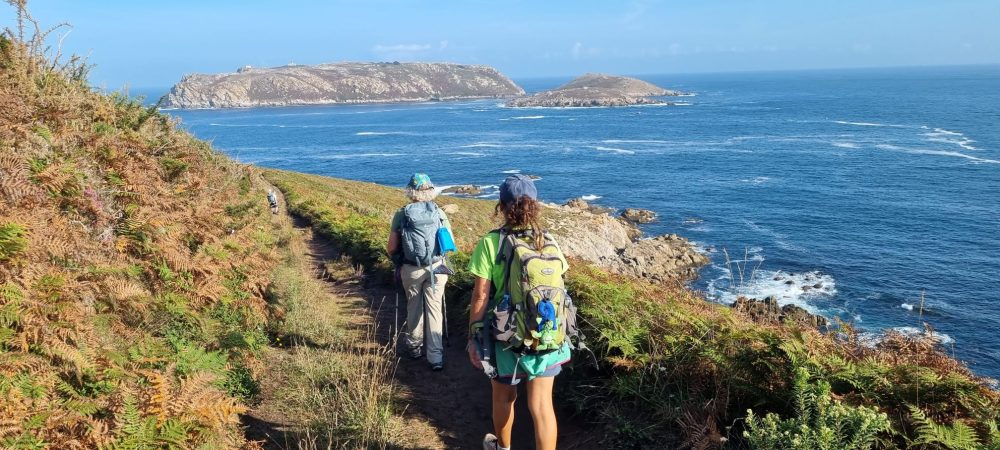
Most trek days begin with simple, practical rituals:
- a great breakfast
- a quick check of the weather – your guide always briefs on what the day is likely to bring
- filling your water
- putting on layers (and taking one off again five minutes later — always)
- a bit of friendly “how’s everyone feeling today?”
- a little stretch
If you’re worried about pace, mornings are reassuring. Nobody’s rushing off like a race start. It’s more like: we start together, we stay together, we find our rhythm. And you can feel your body settle. The first 15 minutes are often the stiffest; then everything warms up and the day begins to open.
The pace: “human”, not heroic
Here’s the most important thing to understand: a multi-day walk isn’t about speed — it’s about sustainable effort. A WalkingWomen pace should feel like:
- You can breathe through your nose most of the time
- You can speak in sentences
- You can look around (and actually enjoy where you are)
There will be moments that feel challenging — hills, uneven ground, long descents — but you’re not expected to power through grimly. The aim is steady progress with energy left in the tank. We like to stop and stare , have a cuppa, a few nuts or whatever snacks women have in their back packs which are usually shared. Often the guide brings her favourite Swiss chocolate , Norwegian banana bread,tropical fruit or sometimes equipment to light a fire and cook up some speciality treat!
If you’re the sort of woman who worries about “holding people up”:
Remember that a trek group naturally stretches and compresses. Some women stride ahead for a while, some hang back for a chat, and the guide keeps the day together. No one is judging your pace. Most women are simply relieved they’re not the only one who likes a pause.
The pauses: where the magic actually happens
This is the bit many people don’t picture — and it’s one of the reasons women love trekking together. There are pauses for:
- water
- snacks
- adjusting layers
- taking photos
- catching your breath after a climb
- simply standing still and letting a view hit you properly
These pauses aren’t “extra”. They’re part of the design of a good trek day. They protect your joints, help your energy last, and turn a long walk into something human and joyful. If your knees can be niggly, those small, regular breaks can make a noticeable difference – especially on descents.
The terrain: what your body notices
Most women don’t struggle because they “aren’t fit”. They struggle because the terrain is different from what they walk at home. A trek day often includes:
- uneven paths
- steps or rocky sections
- slippery bits if it’s damp
- descents that ask more of your legs than you expect
That’s why preparation matters — not to become an athlete, but to get comfortable on your feet. And it’s why simple tools help:
- trekking poles for descents and stability
- good socks and footwear you trust
- layers you can adjust easily
- a daypack that fits properly
You don’t have to have all the gear. You just need the basics to feel comfortable and confident.
Lunch: ordinary food tastes extraordinary outside
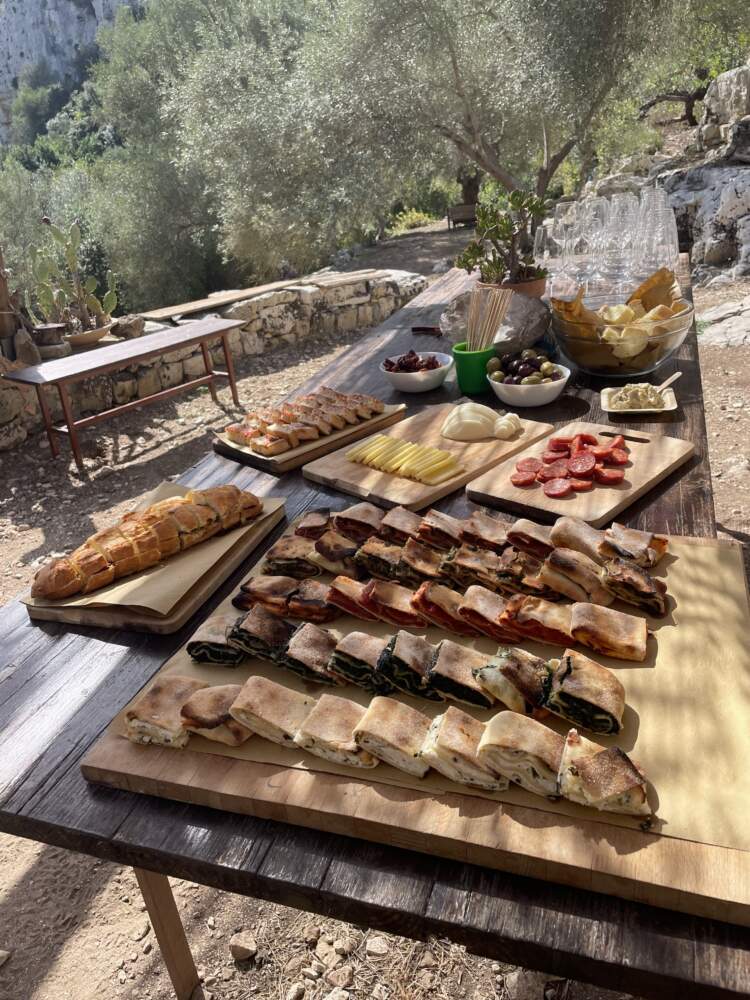
Lunch on a trek is often beautifully simple — and it always tastes better outside. You’ll sit on a rock, a grassy bank, a bench, or a viewpoint, and suddenly it’s the best cheese sandwich of your life. There’s usually a lot of laughter, a few “I can’t believe we’re here” moments, and that lovely shared feeling of we’re doing this together.
If you’re someone who gets energy dips, lunch is also strategic: it’s where you refuel so the afternoon doesn’t feel like a slog.
The afternoon: steadiness and small wins
Afternoons are where confidence grows quietly. You find your rhythm. You stop thinking about how far is left. You start noticing details — light on water, wind in grass, the sound of boots on stone. It’s also where you begin collecting little wins:
- “I handled that hill better than I expected.”
- “My knees were fine once I slowed down on the descent.”
- “I’m stronger than I remembered.”
Those wins don’t shout. They land softly — and they stay.
Finishing the day: comfort counts
One of the most overlooked parts of multi-day walking is what happens after the walking. A good trek doesn’t end with everyone collapsing in silence. It ends with:
- hot showers
- dry clothes
- An evening meal together
- feet up
- maybe a swim, sauna, hot tub or simply a warm lounge and a cup of tea
- gentle stretching and early nights (because fresh air does that)
This is where your body recovers for the next day — and where the emotional shift often happens too. You’re not just “getting through it”. You’re enjoying it. You’re part of something.
The emotional truth: it’s rarely about the miles
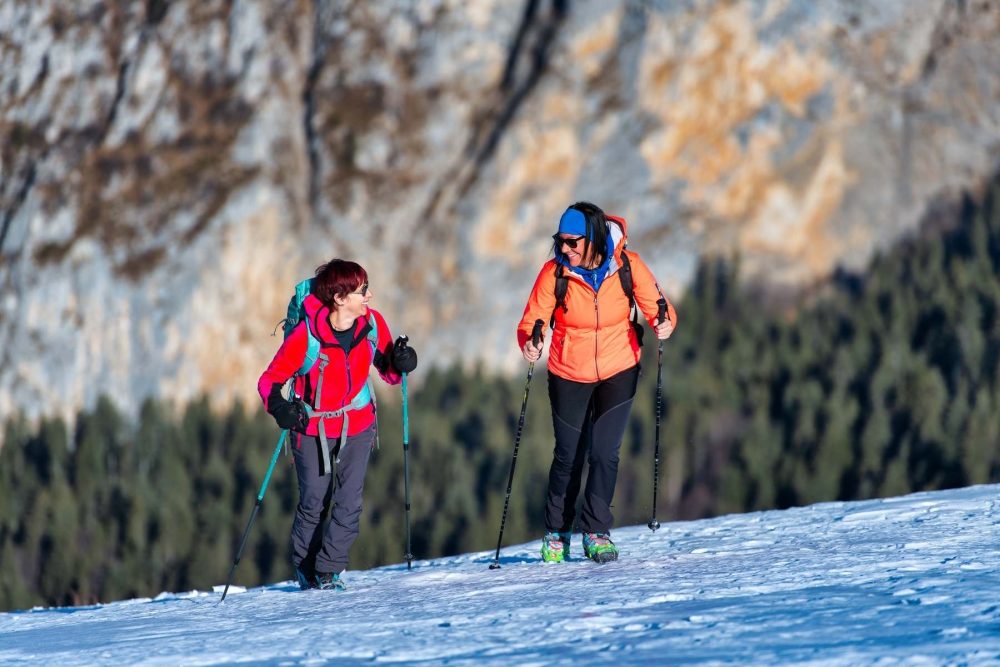
A trek day can be challenging. You might feel tired. You might have a stiff moment, a grumpy moment, a “why did I sign up?” moment. And then you’ll look up. Or someone will make you laugh. Or you’ll reach a viewpoint and feel a surge of pride that catches you off guard. Because the real destination isn’t a map point. It’s that moment you realise:
I still can.
If you’re considering a trek, start here
If reading this makes you feel curious rather than intimidated, that’s a good sign. Start with our gentle training guide: “Dodgy Knees, Big Dreams” — it’s designed to help you build up steadily and realistically, especially if you’re worried about fitness, knees, or keeping up. And if you’d like help working out whether a trek is right for you this year, drop us a message and tell us where you’re starting from. We’ll point you in a kind, sensible direction.
This article is part of our “Walking Onwards” series
A collection of practical, reassuring posts for women in midlife and beyond who feel the pull towards a meaningful challenge — with guidance, community, and confidence built one step at a time.
If you’re curious, here are a few WalkingWomen Treks you might like to explore:
- Cornwall Coast Path (May 8) – 60 miles / 96 km from a luxurious base, with an indoor heated pool, sauna and jacuzzi.
- The Slate Trail, Snowdonia (May 30) – 83 miles / 133 km with a fun sense of achievement (and your Slate Trail passport).
- West Island Way, Isle of Bute (May 30) – 30 miles / 48 km around a beautiful Scottish island, with sweeping sea views.
- King Charles III Coast Path, Cumbria (July 4) – 65 miles / 105 km, finishing with five nights in a spa hotel.
- Slovenia: Rivers of the Julian Alps (July 6) – 56 km with glorious swim stops along the way.
- Kerry Camino, Ireland (July 11) – 35 miles / 57 km on a quieter, meaningful “hidden Camino”.
- Our Epic Trek – Lighthouse Way (Sept 14–26) – 125 miles / 200 km for women who want a truly big, life-marker challenge.
- Lower Himalayas, India (Dec 5) – a soul-stirring end-of-year adventure.
If one of these is calling you, start with this guide, take your first few steady walks — and let the confidence arrive in its own time.

